Early Orthodontic Treatment: A Parent's Guide
Everything parents ask us about Phase 1 treatment, from the age 7 check-up to expanders, costs and what comes next.
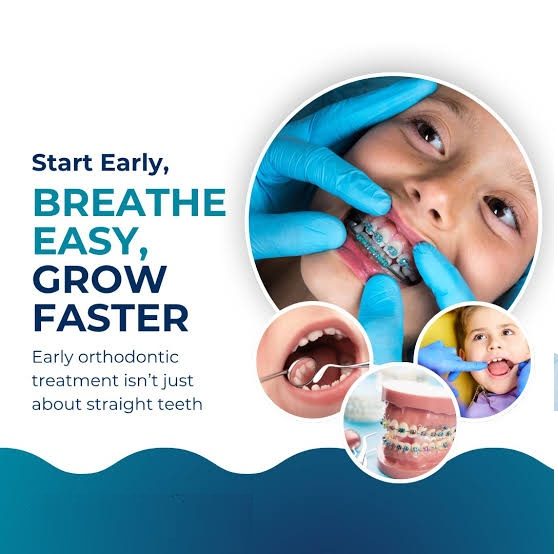
Many parents grew up hearing that kids shouldn't see an orthodontist until all their baby teeth are gone. Today, orthodontists recommend a much earlier look. A quick check-up while your child is still growing lets us catch the few problems that are easier to fix now than later, and reassure you when everything is on track.
Why the age 7 check-up matters
The American Association of Orthodontists recommends every child see an orthodontist no later than age 7. Around this age, the first permanent molars and front teeth have usually come in. That gives us enough information to see how the bite is forming and whether the upper and lower jaws are growing in balance.
The real advantage is growth. A young child's jaw is still developing, so some problems with jaw width and bite can be guided gently with simple appliances. Once growth is finished, the same problems can take longer to treat, need more involved care, or in severe cases require surgery.
Most children we see at age 7 don't need treatment yet. The visit is about knowing where things stand.
Signs your child should be evaluated
Schedule a check-up sooner if you notice any of these:
- Baby teeth lost much earlier or later than usual
- Crowded, blocked-out or overlapping teeth
- Upper front teeth that stick out
- Lower teeth in front of the upper teeth (underbite)
- Upper back teeth biting inside the lower ones (crossbite)
- Front teeth that don't touch when biting (open bite)
- A jaw that shifts to one side when closing
- Trouble chewing or biting
- Mouth breathing or regular snoring
- Thumb or finger sucking after age 5
- Certain speech difficulties, such as a lisp
- Jaw clicking, popping or discomfort
Phase 1 and Phase 2: how two-phase treatment works
Phase 1 (interceptive)
Usually between ages 7 and 10. A focused treatment, often 6 to 12 months, that corrects a specific problem such as a narrow upper jaw, a crossbite or severe crowding.
Resting period
The remaining adult teeth come in naturally. We check in periodically through our complimentary growth guidance program.
Phase 2 (comprehensive)
Once most adult teeth are in, usually around ages 11 to 14, braces or Invisalign® align every tooth and finish the bite. Because Phase 1 handled the foundation, Phase 2 is often simpler. Some children don't need a Phase 2 at all.
Common early treatment appliances
Full braces are rarely needed at this age. Phase 1 usually uses one of these:
Palatal expander
A custom appliance attached to the upper back teeth that gradually widens a narrow upper jaw. Parents make small adjustments at home with a simple key, and we show you exactly how. It's the most common Phase 1 tool and is used to correct crossbites and create room for crowded teeth.
Space maintainer
If a baby tooth is lost too early, nearby teeth can drift into the gap and block the adult tooth. A space maintainer holds that space open until the permanent tooth arrives.
Limited braces
Braces on just a few teeth, often the front teeth and first molars, to correct a crossbite, close a space or move protruding front teeth into a safer position.
Habit appliances
Gentle reminders that help a child stop thumb sucking or tongue thrusting, habits that can push teeth and shape the jaw.
Breathing, sleep and jaw width
A narrow upper jaw is often seen alongside mouth breathing and snoring. The roof of the mouth is also the floor of the nose, so widening the upper jaw with an expander can sometimes make nasal breathing easier. Breathing and sleep problems have many causes, though, including enlarged tonsils and adenoids and allergies. If we notice signs, we'll let you know and may suggest you talk with your pediatrician or an ENT specialist as well.
When "wait and see" is the right call
Early treatment isn't for everyone. If the issue is purely cosmetic, there's enough room for incoming teeth, and the bite and jaws are developing well, the best plan is usually to wait. Waiting doesn't mean ignoring it. In our growth guidance program, we see your child periodically, often every 6 to 12 months, to check how the teeth are coming in and how the jaws are growing. There's no cost for these visits, and we'll recommend treatment only when the timing is right.
Benefits of treating at the right time
- Guides jaw growth while it's still possible to do so without surgery
- Makes room for crowded adult teeth and can reduce the need for extractions later
- Helps adult teeth erupt in better positions and lowers the risk of impacted teeth
- Moves protruding front teeth back, which lowers the risk of chipping them in a fall
- Stops harmful habits before they reshape the bite
- Often makes Phase 2 shorter and simpler
- Can boost confidence before the middle school years
Life with Phase 1 treatment
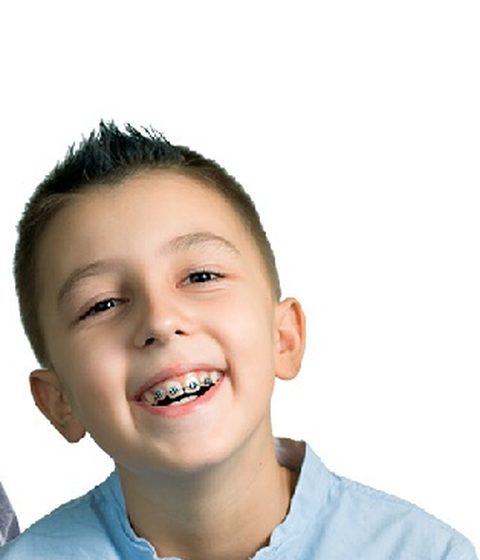
Most kids adjust to a new appliance within a few days. Speech may sound a little different at first and returns to normal quickly. Children can keep playing sports, and we recommend a mouthguard. Some wind instruments take a little practice to adjust. Visits are usually every 6 to 8 weeks, and we schedule around school whenever we can.
Cost and insurance
Phase 1 is a smaller, focused treatment, so it typically costs less than comprehensive braces. Many dental plans include orthodontic coverage with a lifetime maximum, and part of that benefit may apply to Phase 1. We'll check your benefits for you and give you a clear, written estimate before anything starts, along with flexible monthly payment options. Learn about cost and financing.
Common myths
"Baby teeth fall out anyway, so why treat them?"
Early treatment isn't really about baby teeth. It's about the jaw that the adult teeth will grow into, and about keeping space for them.
"Two phases means paying for braces twice."
We only recommend Phase 1 when it solves a problem that is harder to fix later. When early treatment isn't needed, we simply monitor growth for free.
"Early treatment hurts."
Most children feel some pressure for a few days after an appliance is placed or adjusted. Over-the-counter pain relief and soft foods usually take care of it.
Frequently asked questions
Can my child get braces with baby teeth still in?
How long does a palatal expander stay in?
Will my child definitely need braces again later?
Does insurance cover early treatment?
What is the best age for full braces?
Is the first visit really free?
The bottom line
An orthodontic check-up by age 7 is simple, free and quick. Most children just need to be watched as they grow. For the few who benefit from early treatment, starting at the right moment can make a lasting difference. Either way, you'll leave knowing exactly where your child stands.
This guide is general information, not a diagnosis. Every child is different. An exam with an orthodontist is the only way to know whether treatment is needed.
Ready for Your New Smile?
Your first consultation is free. We'll work around your schedule.